
Pharmacists Are Like Superheroes: Who is a Pharmacist?
September 23, 2026
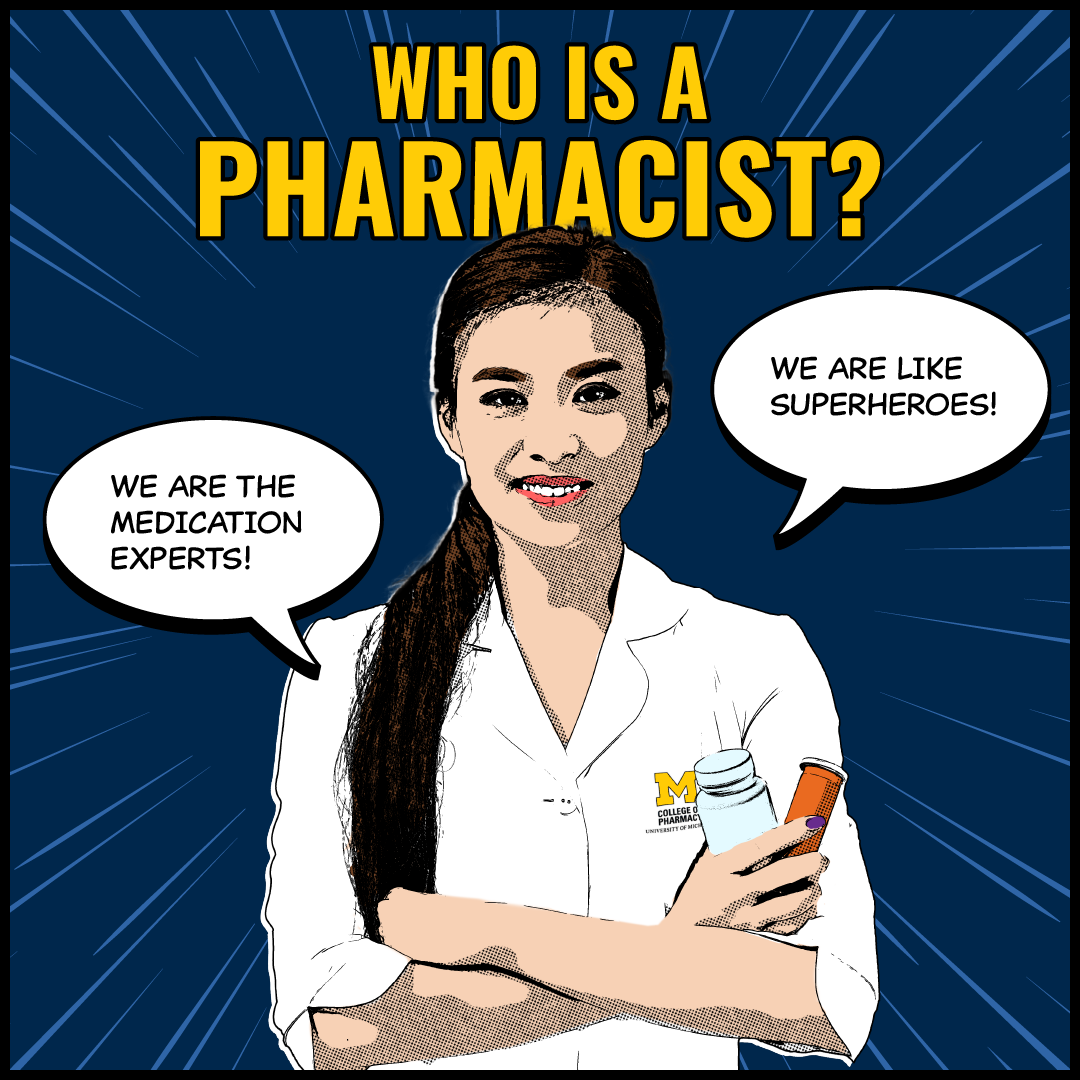
Who Is A Pharmacist?
When you think “pharmacist,” you probably picture someone in a white coat, handing you a bag of medicine across the counter and asking if you have any questions about your prescription. We are so lucky to have access to these health care providers on a regular basis, especially after hours when our doctors’ offices close. Think about it: if it is after 5 p.m. and you have a medication question, who do you call? And while community and retail pharmacy are still common career paths, pharmacists also work in many other healthcare settings, providing patient care.
Beneath that white coat beats the heart of a healthcare superhero. Their superpower? Medication experts! They know exactly how medicines work – and how to make sure patients and other healthcare providers use them safely and effectively.
The power of pharmacists – especially those trained here at the University of Michigan – springs from their knowledge. They complete a Doctor of Pharmacy (PharmD) degree, which takes four to six years of rigorous graduate education in principles of drug action, drug delivery, pharmacokinetics, therapeutic problem-solving and more. They are masters at understanding every aspect of how drugs work in the body. To practice, they must take and pass the NAPLEX licensure exam. Requirements vary by state, and some require an additional jurisprudence exam.
While pharmacists are masters of the medication universe, they are most passionate about caring for people. Their training includes practical, real-world patient care experience and community engagement, such as conducting blood pressure and diabetes screenings and giving vaccines. As a result, they learn many soft skills like how to listen, empathize, inform and provide guidance to patients. Here at Michigan, our PharmD students also gain research experience, which introduces the research process, teaches evidence-based decision-making, and prepares them to stand out to future employers.
More Than Medicine Dispensers
Pharmacists are an integral part of our healthcare systems and care teams. They are the patient’s most accessible health care provider. They are trained and eager to answer any questions you may have about your medications and disease states, and can be the frontline providers of essential information about your health.
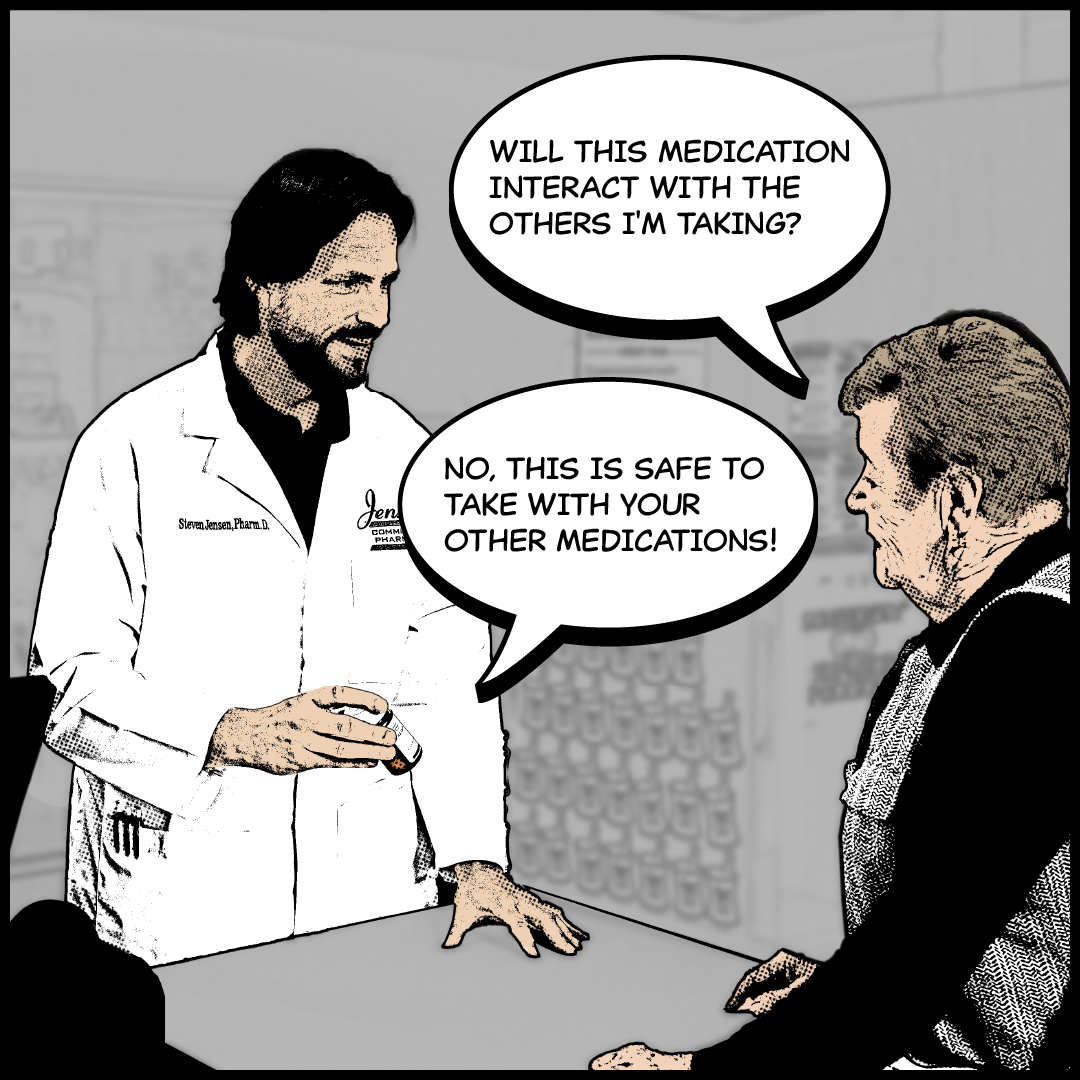
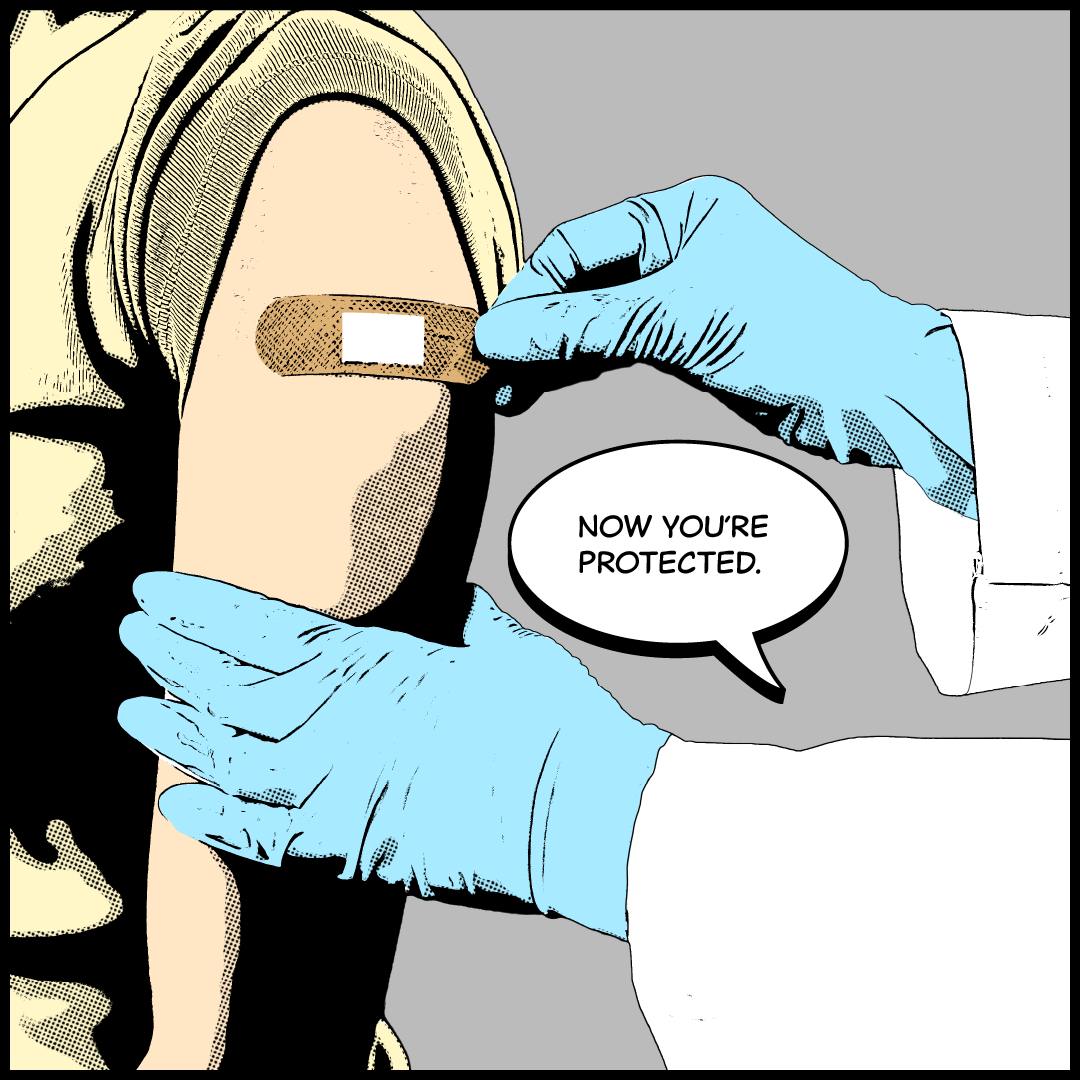
Pharmacists do the important job of filling our prescriptions, and in reality, they are the guardians of safe medication use. They double-check doses. They catch potentially dangerous drug interactions. They coach you on how to take medications properly so that it works most effectively. They administer vaccines that prevent illness and recommend the right ones based on your individual risk factors.
Pharmacists counsel on the importance of medication adherence and potential side effects or reactions to watch for. And they answer questions that could literally save your life.
Pharmacists in Action Everywhere
Their white coats are their capes, and these superheroes fight their battles throughout the healthcare universe. Although you may not always see them, they are actively helping patients in:
- Hospitals & Clinics: In fast-paced medical settings, pharmacists are part of the care team, ensuring patients receive the right medication, at the right dose, at the right time. They advise care teams on the best use of medications to avoid interactions. They analyze processes and dispensing patterns and propose, test and implement ways to deliver care more efficiently. You may even have access to them at your primary care physician’s office or in specialty areas like oncology, pediatrics, cardiology or general surgery as pharmacy specialists. These are just a few!
- Research Labs: Some pharmacists trade the pharmacy counter for the lab in academic or industry settings, helping discover new drugs, test treatments and improve drug delivery and development to advance healthcare for all of us.
- Pharmaceutical Industry: These pharmacists are the problem solvers working to find treatments or make them better, faster and safer. Their work spans drug discovery and development, clinical trials, safety testing, and steering drugs through the FDA approval and the required steps to bring new medications to the public, while many also educate healthcare providers on the safe and effective use of new therapies.
- Government & Public Health: Think of them as the policy heroes who work with our legislators and government agencies to advance healthcare policy, monitor drug efficacy, regulate vaccines and prepare for health emergencies.
- Academia: Superheroes don’t work alone – they train the next generation. Many pharmacists teach, mentor and practice at universities.
- Community Pharmacies: These are the professionals available to us every day who provide the medications that improve our health. They’ll make sure you know how to take your prescription and what issues to watch for.
Now that we have explored the many places pharmacists work, let’s dive a little deeper. The next blog in our Pharmacists are Like Superheroes series explores the careers of pharmacists who work in clinical pharmacy settings.
Most Recent Stories
Think Pharmacy Is Just for People? Think Again.
October 8, 2026
When Maddie Pislin first came to the University of Michigan College of Pharmacy, she knew she wanted to be a pharmacist. She just didn’t know yet what that could look like.
Growing up in Hawaii surrounded by dogs, chickens, a turtle and other pets, Maddie had considered becoming a veterinarian. But veterinary pharmacy wasn’t on her […]
Pharmacists Are Like Superheroes: Who is a Pharmacist?
September 23, 2026
Who Is A Pharmacist?
When you think “pharmacist,” you probably picture someone in a white coat, handing you a bag of medicine across the counter and asking if you have any questions about your prescription. We are so lucky to have access to these health care providers on a regular basis, especially after hours when our […]
Jennifer Hagopian on Curiosity, Mentorship and Transplant Pharmacy
August 19, 2026
When Jennifer (Jen) Hagopian, PharmD, BCPS, BCTXP, selected a solid organ transplant APPE as a pharmacy student, she wasn’t planning her future career. She simply wanted to explore an area she didn’t know much about. That one rotation changed everything.
“I just tried to pick things that I didn’t really know too much about,” Dr. Hagopian […]