
The University of Michigan College of Pharmacy Experience Over The Years
November 23, 2026
For over 150 years, the University of Michigan College of Pharmacy has prepared students to make an impact on the profession and the communities they serve. But what was it like to be a pharmacy student in the 1960s versus today?
So we asked our pharmacy alumni! From slide rules and handwritten notes to laptops and modern technology, the tools and technology may have changed, but the experiences of learning, building relationships and discovering have remained central to the student experience.
As we near the end of the College’s 150th anniversary, we spoke with four alumni from different decades about their time at Michigan, reflecting on how pharmacy education and campus life have evolved — and what has remained the same.
1. Why did you choose the College of Pharmacy, and what stood out to you at the time?
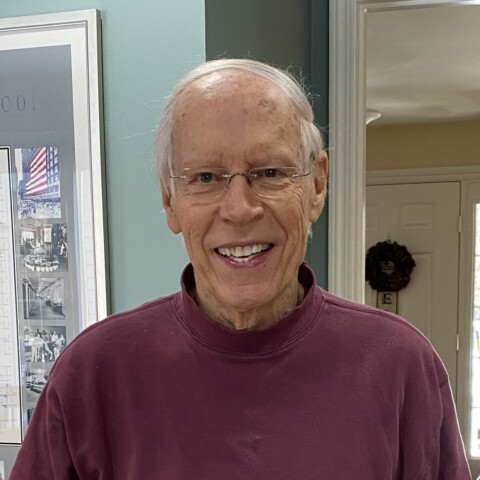
Dr. Jerry Mills
Jerry Mills, BS Pharm 1961: My father, Thomas J. Mills, was a 1927 graduate of the University of Michigan College of Pharmacy with a BS degree. After working at a local pharmacy for 19 years, with a 2-year stint as a Merck sales representative, he had the opportunity to open his own pharmacy in 1946. I was 10 years old at the time. Where else would I go to study pharmacy? When I started at the College of Pharmacy in 1954, you were enrolled directly to complete a 4-year program leading to a BS in Pharmacy.
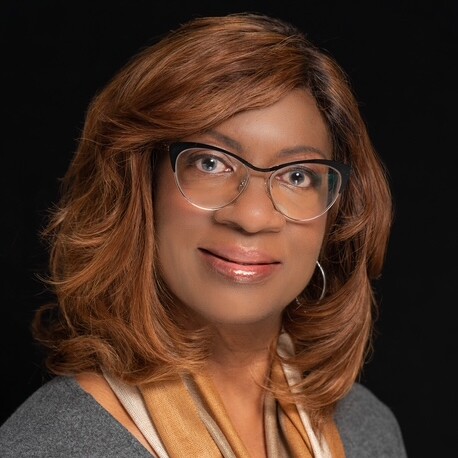
Dr. Miriam Mobley Smith
Miriam Mobley Smith, BS Pharm 1978: I attended a summer program that introduced potential students to the College of Pharmacy program and the profession of pharmacy. It was a great program with supportive advisors. My participation solidified my decision to pursue a pharmacy degree at the University of Michigan.
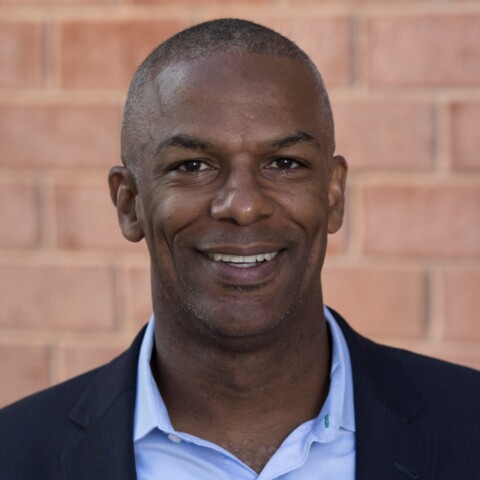
Dr. Norris Turner
Norris Turner, PharmD 1990: I came to the University of Michigan as an undergraduate in 1984, initially on a pre-med track. During my freshman year, I was trying to figure out what I wanted to study and was looking for a degree that would give me a marketable skill set. I first learned about the College of Pharmacy through another student, who led me to Valener Perry. She helped me see how pharmacy brought together so many of my interests, including chemistry and biology, while offering a wide range of career opportunities.
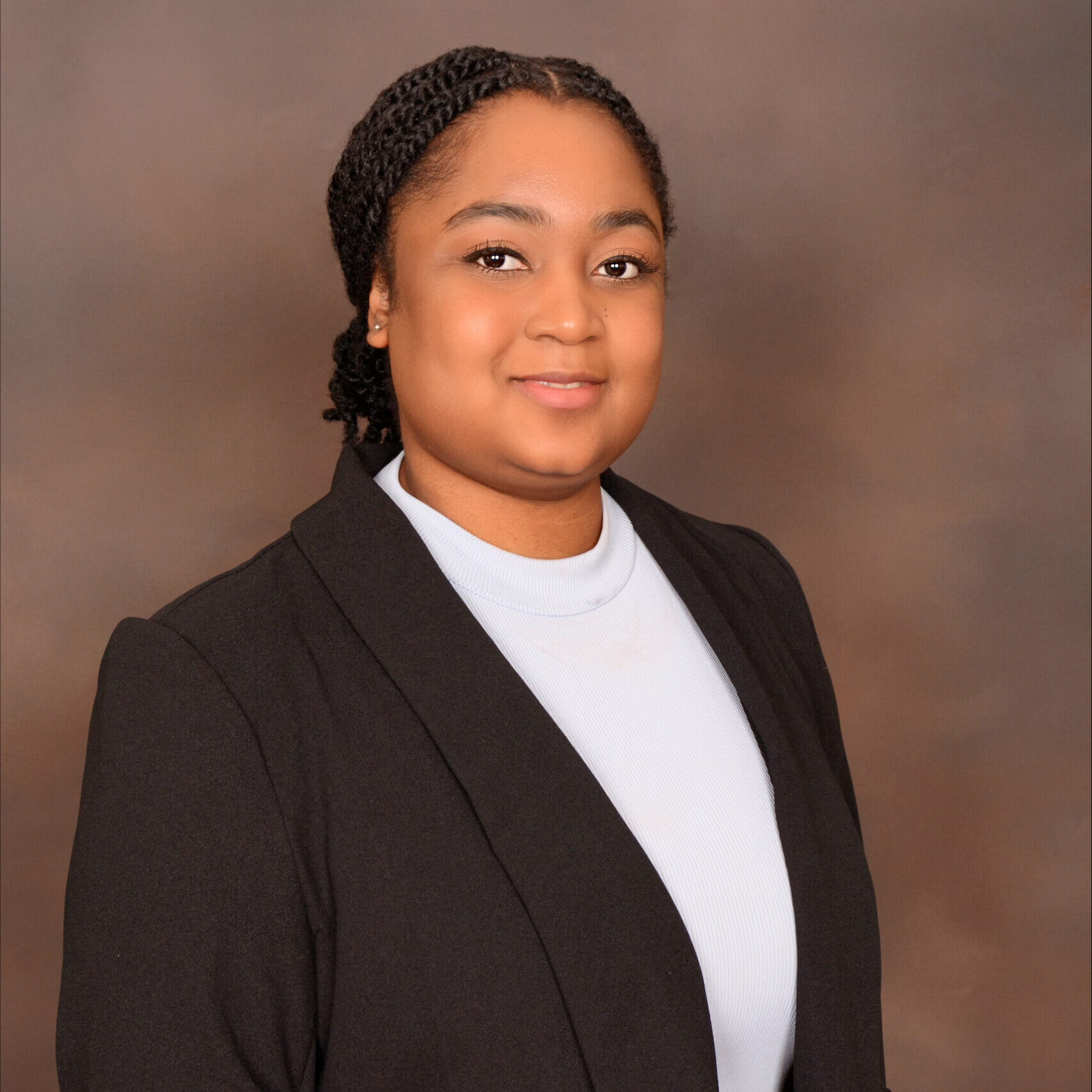
Dr. Precious Okeke
Precious Okeke, PharmD 2024: I chose the University of Michigan because of its reputation and the experience I had during my interview. I enjoyed talking with the faculty, and I left feeling that Michigan would challenge me and prepare me to stand out as a pharmacist. I also had the opportunity to tour the College of Pharmacy and the hospitals, which helped me picture myself there as a student. Even during the admissions and enrollment process, I remember how seamless everything felt.
Looking back now, I appreciate even more how much Michigan gives its students access to. From the didactic curriculum, experiential training and research exposure to internship opportunities and the streamlined APPE process, there were resources at every stage of the program. I also appreciated the College’s willingness to incorporate technology and simulation into our training so that we could practice applying what we were learning before entering patient care settings.
2. What did a typical day as a student look like for you?
Jerry Mills, BS Pharm 1961: As a freshman, you were required to live in a University dormitory for your first year. I lived in South Quad, which was a high-rise that opened in 1951. The other two main dormitories on campus were East Quad, opened in 1940, and West Quad, opened in 1937. At the time, they were all male-only residences. Food choices were a far cry from what they are today. You had a meal plan that could only be used in the dorm cafeteria. I would classify the food as dismal. Classes usually started at 8 am, but sometimes, if you were lucky in your scheduling, you might be able to avoid the 8 o’clock start. Freshman English and General Chemistry were taken in the College of LSA along with many non-pharmacy students.
Miriam Mobley Smith, BS Pharm 1978: A typical day included classes and laboratories that met on Mon-Fri starting at 8 a.m. Community and hospital pharmacy internships were included in addition to a clinical pharmacy experience on Saturday mornings at the University Hospital (for some students who chose to do so – I was one of them). Students also participated in professional organization activities, like coffee and donut sales to raise funds to attend national meetings.
Norris Turner, PharmD 1990: A typical day involved going to class, carrying some very heavy pharmacology and medicinal chemistry textbooks around campus, taking handwritten notes and spending time with friends between classes. I also participated in research while at the College. I worked with Dr. Gordon Flynn on transdermal drug delivery, and that research later inspired me to pursue a PhD.
Another important part of my college experience was the Alpha Phi Alpha fraternity. I participated in various fraternity programs, spent time with my (fraternity) brothers and got involved in mentoring younger members.
Precious Okeke, PharmD 2024: My pharmacy school experience was a little different because I was also the guardian for my younger sister, who was in high school throughout my four years at Michigan. My day usually started around 5:30 a.m. I would get both of us ready, drop her off at school, drive back home, park my car and then take the campus bus to class.
I attended most of my classes in person, so I was usually on campus from about 8 a.m. until 4 or 5 p.m. Between classes, I would study in the lounge, work on assignments, or spend time with friends. After class, I would take the bus home, get back in my car, pick my sister up from school and then we would head home for the evening.
What happened after dinner depended on the week. Sometimes I could have an early night, but other nights were spent studying or preparing for an exam. During the semesters when I worked with the transitions of care team, I would also complete my patient workload after dinner. Pharmacy school taught me quite a bit about managing competing responsibilities and making the most of the time I had.
3. What tools or technology did you rely on most as a pharmacy student?
Jerry Mills, BS Pharm 1961: The technology that was usable to us was very much in its infancy. Color TV did not exist until 1954, and handheld calculators were not available until the 1970s. We were still using manual mechanical typewriters. All we really had was a slide rule!
Miriam Mobley Smith, BS Pharm 1978: We didn’t have technology like what is available today. I had a typewriter and a slide rule for calculations. In fact, only a slide rule was allowed for the pharmaceutical calculations section of the pharmacy board exams at that time. Early versions of Texas Instruments calculators became available prior to my graduation, but they were very cost-prohibitive.
Norris Turner, PharmD 1990: Pen and paper were my primary tools. I took handwritten notes and relied heavily on textbooks. Typewriters were still common, and when I needed to print something, I used the computer center. Personal computers were beginning to become more common toward the latter part of my time at Michigan. Email was also just beginning to enter the conversation. I remember people in my fraternity talking about it.
We didn’t have cellphones or the kind of internet access students have today. If you needed information, you went to the library, consulted a textbook or talked to someone who could help you find what you needed. The technology was very different, so a lot of the work involved physically looking things up, writing things down and working directly with other people.
Precious Okeke, PharmD 2024: With the amount of information we were learning across several courses at once, I relied a lot on drug tables, study guides and summary sheets, especially ones that organized an entire topic in a consistent format.
I am a visual learner, but I am also very traditional in how I study. I like writing things out on paper, using different colors and creating visual connections between concepts. I had a laptop that I used to access course modules, take exams and complete assignments, but my iPad was almost never used. I still preferred the feel of paper.
4. How did you take notes, study for exams or prepare for class?
Jerry Mills, BS Pharm 1961: All note-taking was done by pen and pencil. Unfortunately, I had the handwriting of a doctor, so at the end of the day I would come back to my room and type my notes on my portable manual typewriter. We would sometimes have group study sessions to study for exams or work through a difficult problem.
Miriam Mobley Smith, BS Pharm 1978: We took notes by hand on notebook paper or in notebooks. I studied for exams and prepared for classes at home or in the library. On occasion, I participated in study groups at the College and library.
Norris Turner, PharmD 1990: I relied on handwritten notes, textbooks and the library. I also studied with classmates, and we would discuss material together, compare our understanding and help one another work through challenging concepts. The library was an important resource, and finding information often meant using the physical card catalog and working with librarians. I also benefited from learning alongside other students. Study groups and team discussions helped reinforce what we were learning in class.
Precious Okeke, PharmD 2024: During class, I tried to listen and understand the overall concept rather than write down every word. I knew that I would need time afterward to sit with the material on my own before it clicked.
I used a lot of mnemonics, analogies, visual connections and even stories to make difficult concepts easier to remember. When preparing for exams, I often created or used drug tables and summary sheets with information organized in the same format across drug classes. That helped me compare medications and identify patterns instead of trying to memorize each drug in isolation.
5. How did you communicate with classmates and professors outside of class?
Jerry Mills, BS Pharm 1961: Communication with professors and fellow classmates outside of class was not too difficult. Professors would have office hours, and you could make an appointment to discuss what was needed. Since our total class was about only 30 students, communication was not difficult. We pretty much knew everyone.
Our class of 28 was 35% female, a significant number for that area for a male-dominated field. At our 50th class reunion, we had 4 females and 3 males. That ratio has significantly changed over the years.
Miriam Mobley Smith, BS Pharm 1978: All professors held office hours, either by appointment or drop-in. Students communicated outside of class through participation in professional organizations, fraternal organizations, student council, study groups and/or informal gatherings.
Norris Turner, PharmD 1990: A lot of communication happened in person. I would talk with classmates between classes, meet friends at campus gathering places and connect with faculty during office hours. Phones were available, of course, but we didn’t have cellphones in our pockets, text messaging or the kind of instant communication students rely on today. Payphones were part of everyday life, and you often had to plan when and where you would connect with someone.
My research experience also helped me build relationships with faculty members and staff, as well as the dean. Those relationships were valuable because I could ask questions, learn from their experiences and get advice about what might come next in my career.
Precious Okeke, PharmD 2024: With classmates, most communication happened through text messages and group chats. With professors, email was the main form of communication. Our experience was a little unusual because the College of Pharmacy building at the time lacked dedicated gathering spaces, and pharmacy classes were spread across campus. That meant we did not always have a central place where students and faculty naturally crossed paths outside of class. You had to be more intentional about reaching out, attending office hours or maintaining relationships with faculty.
6. What was campus life like when you were a student?
Jerry Mills, BS Pharm 1961: There were fraternities and sororities (social and professional), intramural athletics, and concerts and plays at Hill Auditorium and Lydia Mendelssohn Theatre. As a freshman, we were required to take a physical education course — I chose tennis.
Michigan football was my favorite. Football was at 1 o’clock, not 12:00, 3:30 or 7:30 p.m. As you progressed through the years, your student seats improved, and by senior year your seats got closer to the 50-yard line. Under Coach Bennie Oosterbaan (1948-1958), the team was not great: 63-33-4, 2-5-1 against MSU and 3-5 against that team from the south. Then came Bump Elliott, and things didn’t get much better until after I graduated.
The original Pretzel Bell restaurant on Liberty St. (now reopened on S. Main) opened its doors in 1934, and it became the campus’s historic watering hole until a fire closed its doors in 1985. Tradition was: when you turned 21, you stood on a tabletop and chugged a beer as your friends cheered, and they would ring the bell!
Miriam Mobley Smith, BS Pharm 1978: Campus life included living in a dormitory on North Campus during my first two years as a student. The 3rd year, I served as a resident advisor at a main campus dormitory. During my last two years, I lived in a north campus apartment across the street from St. Joseph Hospital, where I would occasionally volunteer to receive required internship hours to sit for my board exams.
I also pledged a sorority. There were parties available on both campuses. I played a lot of pool in the dormitory pool hall, basketball at Waterman Gym and sang with the Trotter House U-M Gospel Choir. On main campus, one could frequently see (and smell) the broad utilization of marijuana with a cloud of smoke above. There were also periodic student protests related to racial discrimination, the federal government, university administration, etc.
Norris Turner, PharmD 1990: I spent time at the gym, socialized with friends, participated in Alpha Phi Alpha and took part in fraternity programs and community activities. I enjoyed exploring Ann Arbor with friends. Zingerman’s was one of the places we enjoyed going.
Precious Okeke, PharmD 2024: My campus experience changed quite a bit over the four years because I started pharmacy school during COVID. During my first semester, we came to campus primarily for the Medicinal Chemistry lab, and during my second semester I attended classes remotely from Austin.
By my second year, when we returned to campus, it felt much closer to the pharmacy school experience I had imagined. At the same time, the limited community and study spaces in the Church St. pharmacy building affected how we interacted. After class, students often scattered to different buildings, libraries or went home to study, because we did not always have a central space where everyone gathered. Despite that, our class still became close. By graduation, I knew everyone in my class and had interacted with almost all of them in some capacity.
7. What was happening in the world during your time as a student that shaped your experience?
Jerry Mills, BS Pharm 1961: Just before my time at the University, in 1955 at Rackham Auditorium, Thomas Francis and Jonas Salk announced the success of the polio vaccine. The birth of the Peace Corps took place on October 14, 1960, as John F. Kennedy spoke to about 10,000 students on the steps of the Michigan Union. More political activity took place after I graduated with Tom Hayden and Alan Haber, with the formation of the Students for Democratic Society and other anti-war activities.
Miriam Mobley Smith, BS Pharm 1978: Oh, so many things of significance were going on during my time at U-M. From the mid-to-late 1970s, the political and pop culture landscape shaped campus climate and conversations. These things included:
End of the Vietnam War; Roe V. Wade was decided by the Supreme Court; Richard Nixon resigned due to the Watergate scandal; the 1979 Iranian Revolution, which led to the establishment of the Islamic Republic; Skylab was launched; Apple and Microsoft computer companies were founded and launched; the tennis battle of the sexes between Billie Jean King and Bobby Riggs; Star Wars and Jaws movies were released; Elvis Presley died; Voting Rights Act was extended; Intense racial unrest related to school integration and discrimination was continuing; including riots; sit-ins and violent protests; the television broadcast of “Roots,” which detailed the brutality and realities of slavery and generational/systemic racism, aired; Coleman Young took office as the 1st Black Mayor of Detroit.
Norris Turner, PharmD 1990: There were significant social and political events happening during my time at Michigan. I remember the anti-apartheid protests on campus, including the shanties on the Diag and the fall of the Berlin Wall in 1989.
Issues of race and equity also shaped my experience. Around 1987, during my first year in pharmacy school, a racist incident in a residence hall contributed to the Black Action Movement III protests. I remember having to make a difficult decision about whether to attend a pharmacy lab or participate in a protest that was personally meaningful to me.
The protests gained national attention, and Jesse Jackson came to campus and helped negotiate on behalf of students. Although I generally found Michigan to be a positive environment, there were moments that reminded me that racism and inequity were still very real.
Precious Okeke, PharmD 2024: COVID had the greatest impact on my experience. In undergrad, I had been very active on campus. I studied in the library, spent time with classmates in common spaces and was involved in campus activities. With Michigan’s smaller pharmacy class size, I expected pharmacy school to have that same sense of community from the beginning.
Starting during the pandemic changed that. There were parts of the traditional pharmacy school experience that my class simply did not get to have, particularly during our first year. At the same time, it taught me how to work on my own, become comfortable with periods of isolation, and seek out resources and relationships instead of waiting for them to come to me.
8. Is there a faculty member or mentor who left a lasting impression on you?
Jerry Mills, BS Pharm 1961: Many faculty were important in my life as a pharmacy student. Dean Rowe was especially influential as I was struggling academically. Dr. Flynn, Dr. James Richards and stern Dr. Ara Paul, our pharmacology professor, are a few others to mention. After graduation, Dean Paul asked me to serve on the original College of Alumni Board. What a great experience that was.
Miriam Mobley Smith, BS Pharm 1978: There were two faculty and administrative staff members who positively impacted my time at the College. Dr. Eddie Boyd was an excellent teacher and role model and greatly impacted my academic success, including my first opportunity to participate in clinical research within geriatric patient populations. Ms. Valener Perry, as an academic advisor (at that time), was extremely supportive and a strong advocate for student success, including standing up to faculty members who exhibited unprofessional behaviors towards students.
Norris Turner, PharmD 1990: Several people had a significant influence on me, both during my time at Michigan and throughout my career.
- Valener Perry was one of the most important. She introduced me to the possibilities within pharmacy and remained a close friend and mentor long after I graduated.
- Dr. Eddie Boyd was also important to me. He was the only African American member of the clinical faculty at the time, and I spoke with him regularly.
- Dr. Gordon Flynn was my research advisor, and working with him on transdermal drug delivery helped inspire me to pursue a PhD.
- Dr. Frank Ascione was another mentor who influenced my thinking about career possibilities. Years later, he invited me to join the Dean’s Advisory Committee, where I served for many years.
- Dr. Ara Paul also encouraged me to pursue my PhD somewhere outside Michigan, pushing me to experience a different academic environment and broaden my perspective. I ultimately attended the University of California, San Francisco, where I earned my PhD and met my future wife.
Precious Okeke, PharmD 2024: There were several, and I think each influenced a different part of who I have become.
- Dean Jolene Bostwick stands out because she modeled the kind of educator and leader I wanted to become. She led with empathy, knew her students and made you feel that she cared about you as a person, not just as a pharmacy student. Now that I am a faculty member, I understand even more how meaningful that was.
- Dr. Shawna Kraft was one of my earliest cheerleaders at Michigan. I remember struggling with imposter syndrome during my P1 year, and she was one of the people who reminded me of what I was capable of.
- Dean Mark Nelson offered guidance throughout my four years, and Mrs. Crystal Gregory was someone I could count on for support and help, even when she was technically out of the office.
There were many others who contributed to my experience in different ways. What I learned from all of them is that students may forget some of the content you teach them, but they remember who encouraged them, who showed up for them and who made them feel that they belonged.
9. How did your time at the College prepare you for what came next in your life?
Jerry Mills, BS Pharm 1961: The College of Pharmacy taught me to “think,” not just memorize facts and figures. I learned not to accept everything you hear or read as fact and to take time to think it through and analyze before making a decision.
Miriam Mobley Smith, BS Pharm 1978: The foundational education and experiences that I received at the College strongly prepared me for my long and very successful pharmacy career, which spanned clinical, administrative and professional/public service realms, including serving on a State Board of Pharmacy, chairing a federal advisory council for the Department of Health and Human Services and serving as a member of an Institute of Medicine Committee.
Norris Turner, PharmD 1990: My education at Michigan gave me a strong foundation in both clinical pharmacy and scientific rigor. I felt that Michigan’s education was second to none. The College challenged me to understand the science behind what I was learning while also thinking about how that knowledge could be applied.
Michigan pushed me to think about excellence differently. I learned to ask myself, “How do I up my game? How do I bring my best?” I was challenged by the university, the College, my classmates and the faculty to keep improving and to approach my work with a high standard.
Precious Okeke, PharmD 2024: Michigan prepared me by giving me opportunities to experience pharmacy in several different settings before I had to decide what I wanted my career to look like.
One of the experiences that stands out most was my inpatient solid organ transplant APPE with Dr. Jeong Park. For the first time, I felt like a full member of an interdisciplinary healthcare team. It changed the way I viewed myself as a pharmacist.
Michigan also gave me my first meaningful experiences as an educator. Serving as a graduate student instructor helped me recognize how much I enjoyed teaching and working with students. At the time, I thought I was headed toward a clinical career, particularly in pediatrics. I did not know that those early teaching experiences would become the foundation for my career in academia.
After Michigan, I pursued a master’s degree in Pharmaceutical Sciences at the University of Texas at Austin, where I conducted health outcomes research in advanced liver disease. Today, I am an Assistant Professor of Pharmaceutical Sciences at Texas A&M University Rangel College of Pharmacy, and I also practice as a clinical pharmacist at Driscoll Children’s Hospital.
When I look at that path, it was not linear, but Michigan prepared me for each part of it. It gave me a clinical foundation, exposure to teaching and research, and the confidence to pursue opportunities that were different from what I had pictured when I first entered pharmacy school.
10. What advice would you give to today’s pharmacy students?
Jerry Mills, BS Pharm 1961: Pharmacy today has little resemblance to the pharmacy I knew upon graduation in 1961. When I graduated, you either had the goal of owning your own independent pharmacy or becoming the chief pharmacist in a hospital setting. There were also some opportunities at pharmaceutical companies, i.e., Lilly, Abbott, Parke-Davis, Merck, etc. However, the biotech industry didn’t exist yet. There are so many more opportunities now after graduation – take advantage of them!
Miriam Mobley Smith, BS Pharm 1978: Careers are rarely linear. They are built through pivots, pauses, detours and resilience. Even if you don’t get where you thought you wanted to go or are doing what you thought you would be doing, you’ll end up right where you’re supposed to be.
Norris Turner, PharmD 1990: My advice is to think about things beyond pharmacy while you’re in pharmacy school. Your pharmacy education is important, but you should also consider how other skills and interests can strengthen your career. Take advantage of electives and opportunities to learn outside your immediate area of study. Pharmacy doesn’t exist in isolation, and understanding the larger context can help you see opportunities you might not otherwise recognize.
Precious Okeke, PharmD 2024: Do not limit yourself to the version of pharmacy you knew before pharmacy school.
I would encourage students to have goals, but hold them with enough flexibility to explore. Take the rotation you are curious about. Try research even if you do not think you are a “research person.” Teach if someone gives you the opportunity. Join an organization, talk to faculty, find mentors and get to know people whose careers look different from the one you currently envision. Sometimes discovering what you enjoy, and what you do not enjoy, is just as valuable as following a plan.
When I graduated in 2024, I was asked what I would miss most about Ann Arbor, and my answer was “the opportunities for growth.” Two years later, I appreciate that answer even more. Michigan gave me the opportunity to explore who I could become, not just as a pharmacist, but as a person.
Most Recent Stories
The University of Michigan College of Pharmacy Experience Over The Years
November 23, 2026
For over 150 years, the University of Michigan College of Pharmacy has prepared students to make an impact on the profession and the communities they serve. But what was it like to be a pharmacy student in the 1960s versus today?
So we asked our pharmacy alumni! From slide rules and handwritten notes to laptops and […]
Pharmacy Scholars Find a Home, a Family and a Professional Passion
November 17, 2026
The Pharmacy Scholars Program (PSP) offers an eye-opening and engaging introduction to the pharmacy profession for prospective students. The best part for one 2025 participant? It made the College of Pharmacy feel like home.
The four-week summer session is designed for undergraduates and recent graduates interested in exploring the field of pharmacy. It offers a preview […]
Pharmacists Are Like Superheroes: What is Clinical Pharmacy?
October 28, 2026
What is Clinical Pharmacy?
Just like superheroes, pharmacy comes in many different shapes and sizes. As we discovered in our previous blog, “Who is a Pharmacist?“, pharmacists are medication experts, deliver patient care, and are advocates. Frankly, they are everyday healthcare heroes.
Now it’s time to zoom in on one of the most dynamic areas of pharmacy […]