
About the Medication Experts
Our Story at a Glance
Our College Has a Rich History of Firsts, Notable Alumni Who Have Walked Our Halls and Discoveries That Have Advanced the Profession
Get to Know Us Today
The University of Michigan College of Pharmacy has been leading at pharmacy’s edge for 150 years. The first and oldest pharmacy school at a state university, the College — currently ranked #3 in the nation — has and continues to shape education in the field. Its faculty are internationally recognized and are innovators in drug discovery, development and delivery, precision pharmacotherapy, outcomes research and clinical practice.
More than 5,000 alumni are enhancing patient care and outcomes from the bench to the bedside, in boardrooms and communities, government agencies and within healthcare companies.
To give you a sense of how far pharmacy has come, back in 1876, the closest thing to wonder drugs was limited-use concoctions (e.g., the laxative), usually derived from naturally occurring compounds, nostrums containing heavy metals, opiates, and/or alcohol, or various combinations of the above. Comparatively, today’s advances in practice and medicine have enabled personalized care and tailored pharmaceutical therapies for individual patients.
Newborn Americans could expect to live 40.3 years, assuming patients were lucky enough to avoid being sick and having to regularly consume the above curatives. Fast forward to today, newborn Americans can expect to live 78.4 years due to continuous advances in medication. This shows just how far medicine has come in a short 150 years.
Meet the First Female Dean at the College
Becoming the College of Pharmacy
This year (2026), we are celebrating the College of Pharmacy’s 150th birthday. The College was formally established on December 29, 1876, but pharmacy education dates back to 1839, when Douglass Houghton, Professor of Geology and Mineralogy, was charged with the subjects of Chemistry and Pharmacy as part of the Department of Literature, Science and the Arts.
In 1876, the Board of Regents established the ‘School of Pharmacy’ and appointed our first Dean, Albert Prescott. Our name was changed to the College of Pharmacy in 1915 to conform to University policy.
Prescott insisted that a pharmacy education be grounded in basic science and fact. At that time, this stance was considered heretical, and he was ostracized by educational and professional establishments. However, by the time of his death three decades later, nearly all pharmacy schools in the nation embraced the basic science model.
Notably, as early as 1871, we were graduating women and, in 1912, our earliest documented Black students. This shows that we were a College open to all and educating Americans when many still did not have the right to vote.
Over the next several decades, the College evolved its academic programs, degrees and curriculum to establish itself as a leader in research and practice.

Albert Prescott,
first Dean of the School of Pharmacy
1855
First State University to Establish a Chemistry Lab
1868
Established a Pharmaceutical Chemist Degree
1926
PhD Degree in Pharmaceutical Chemistry
1951
Expanding Research Enterprise Expands
1953
Studying Transport of Drugs in Biological Systems
1965
One of the first two colleges to qualify for an NIH award
1978
Research project required as a condition of graduation for PharmDs
2000
Departmental structure established
2021
Maribavir Discovered at Pharmacy, Approved by FDA
2024
644 patents issued
A Thriving Research Enterprise is Born
In 1855, U-M was the first state University to establish a chemical laboratory, and in 1868, the College established a Pharmaceutical Chemist degree. Research was important to Dean Prescott, but it wasn’t until the appointment of Frederick Franklin Blicke in 1926 that an active program in graduate education was firmly established, and students had the opportunity to pursue a PhD degree in Pharmaceutical Chemistry (today, it is known as Medicinal Chemistry). Blicke, outside of being the founder of our nation’s first PhD in Medicinal Chemistry, is a nationally recognized leader in synthetic organic pharmaceutical chemistry.
It was with the appointment of Dean Thomas Rowe in 1951, that the research enterprise began to expand. He recruited top minds, which accelerated research at the College and advanced the international reputation of our graduate programs. Through his appointment of Dr. Albert Mattocks in 1953, a major effort was established in the pharmaceutics area, which included studying the transport of drugs in biological systems. In 1965, the College of Pharmacy was one of the first two colleges to qualify for an NIH General Research Support award. To be eligible, colleges of pharmacy must receive at least $100,000 in NIH grant money annually.
The research enterprise was further advanced by hiring some of the greatest minds in the field, which has led to Michigan being recognized as a leader in pharmaceutics research for decades. Some notable research scientists who have made their mark on our College are: Dr. William Higuchi, Dr. Anthony Simonelli, Dr. George Zografi, Dr. Norman F.H. Ho, Dr. John G. Wagner, and, recently, Dr. Gordon Amidon. In the 1980’s Drs. Leroy Townsend and John Drach began actively researching cytomegalovirus and furthered the research enterprise by co-inventing a drug and developing the compound maribavir to treat cytomegalovirus infection, a member of the herpes virus family. It was licensed to a pharmaceutical company, which led it through clinical trials and secured FDA approval in 2021.
The legacy established by these leading scientists and our current faculty continues to maintain our strength and internationally recognized reputation as medication experts who are regularly brought into federal agencies and pharmaceutical companies to serve as consultants.
College leadership identified that understanding how to conduct research was a key competency that all students needed — they did not want it limited to professional basic, clinical, or social scientists. Since 1978, recognizing the importance of research as part of a well-rounded PharmD education, the College began requiring all fourth-year PharmD students to complete a research project as a condition of graduation. Something that, to this day, sets our graduates apart from other schools that do not have this requirement.
It wasn’t until the year 2000 that today’s departmental structure was established, creating the Clinical Science, Social and Administrative Services (now Clinical Pharmacy), Pharmaceutical Sciences and Medicinal Chemistry departments. While the department structure didn’t exist, in 1993, you might find it interesting to know that our current Senior Associate Dean, Karen Farris, was the first PhD graduate in the Social and Administrative Services program.
In 2024, the College of Pharmacy had the third-highest number of invention disclosures on campus, after the College of Engineering and the Medical School, not bad for one of the smaller units on campus — and to date, the College has 644 patents issued since the University began tracking in 1985.
Pioneers in Clinical Pharmacy and Practice
Under Rowe’s tutelage, this period in our country’s history was undergoing significant change in both healthcare and the role of the professional pharmacist. The pharmacist’s role experienced a shift to the distribution and control of medicinal agents. Thus creating a new vision for the role, one that had a greater patient orientation and required more education in therapeutics and clinical pharmacology and pathology. Always leading and being ahead of the curve, Rowe saw these changes as an opportunity to reshape and design the curriculum to include professional training, which was led by Dr. Richard Deno. Rowe appointed several faculty, including hiring the first female clinical pharmacist at the College, Rosemary Berardi, in 1968 to build and expand the clinical pharmacy program, teaching hospital pharmacy and developing the first institutional pharmacy practice experiences for PharmD students.


In 1975, the College appointed Dean Ara Paul, who led the establishment of the PharmD as the terminal (entry-level) degree. Up until this point, the BS in Pharmacy was the professional degree. It wasn’t until the year 2000 that the accrediting body, ACPE adopted the PharmD as the only entry-level professional degree – another example of the College leading at pharmacy’s edge. Finally, a cornerstone of Dean Paul’s tenure and his legacy was his recognition of the importance of philanthropy and growing the endowment.
Another major achievement of the 1970s was the pioneering of a collaborative partnership between the College and U-M Hospital pharmacy services to educate students with hands-on, patient-centric experiences, giving them the opportunity to learn from leaders in their specialty practice areas. Over the next five decades, the College would go on to recruit faculty who would rise to achieve national and international prominence in their pharmacy specialty: Lynda Welage (burn and trauma), Sally Guthrie (psychiatric drug therapy), Barry Bleske (cardiology), Peggy Carver (infectious disease) and Hae Mi Choe (hypertension) who established the embedded pharmacist program a model that the Centers for Disease Control and Prevention (CDC) in 2024, is expanding into other states.
Pharmacy Firsts, Notable Alumni and Contributions to the Field
The nation's first college of pharmacy at a state-funded institution.
The first pharmacy degree was conferred in 1869.
Cousins Amelia and Mary Upjohn (descendants of the founder of the Upjohn Company) were the first two women to graduate from Pharmacy in 1871. They are the 3rd and 4th women to graduate from the University of Michigan.
The College founded the Phi Delta Chi Professional fraternity (1883) and Rho Chi Pharmacy Honor Society (1922).
In 1915, the name of the school is changed to College of Pharmacy to conform to University policy.
Dr. Frederick Franklin Blicke is nationally recognized as one of the founders of the field of medicinal chemistry and the founder of the first PhD program in Medicinal Chemistry.
In 1962, the first PharmD degrees were awarded to BS-educated pharmacists. At the time, the accrediting body still recognized the BS Pharmacy as a professional degree to become a pharmacist.
The College was among the first in the nation to establish the PharmD as the professional degree (1978) before it was adopted nationally.
In 1984, the first all PharmD class graduated with a Doctor of Pharmacy degree.
Rosemary Berardi, a PharmD alumna, was the first woman clinical pharmacist and the first PharmD appointed to the College faculty in 1969.
Vicki Ellingrod was appointed the first female Dean of the College in 2021.
Josiah K Lilly Jr., is an alumnus, the grandson of the founder of the Eli Lilly Company.
Drs. Leroy Townsend and John Drach, co-invented the drug maribavir to treat the cytomegalovirus infection. The drug secured FDA approval in 2021.
Harvey A.K. Whitney, Ph.C. alumnus established the first residency program in 1927. Back then it was called the hospital pharmacy internship program. He was the Chief Pharmacist at the University Hospital for nearly two decades.
Hans Vahlteich, an alumni and patent holder of the chemical process for margarine, is also known for helping to transform Hellmann’s Mayonnaise into a household name.
Tiffany Ofili Porter is an alumna, track and field athlete and three-time Olympian.
Gordon Amidon, an alumnus and creator of the Biopharmaceutical Drug Classification system.
Joseph Burckhalter, an alumnus, inducted into the National Inventors Hall of Fame for isothiocyanate compounds for antigen identification.
John G. Wagner, U-M faculty member, internationally recognized as a founding father of the scientific discipline of pharmacokinetics.
Pharmacy education before 1876 was based upon the apprenticeship model. The U-M College of Pharmacy established a more formalized academic education program.
Charles Walgreen Jr. and Charles Walgreen III are alumni and the son and grandson of the founder of Walgreens, one of the nation's largest drugstore chains.
For over 12 years, the College has maintained its position as a top-ranked school of pharmacy in the nation. We are currently ranked third nationally.
John Gideon Searle, is an alumnus, the grandson of the founder of G. D. Searle.
College Awards

This Award Recognizes Someone Who Embodies Ara’s Philanthropic Spirit
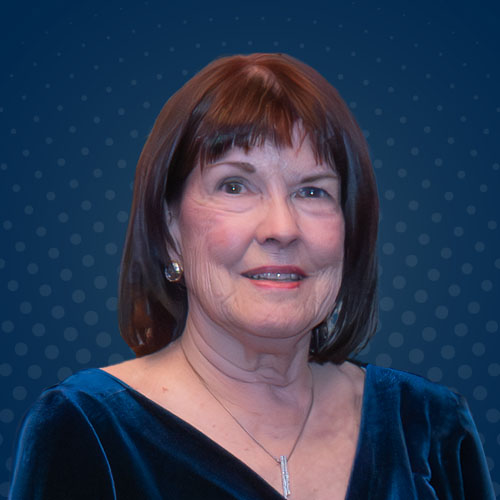
Gayle Crick Fischer
Recipient of the Ara G. Paul Philanthropic Distinction Award
Award
This Award Recognizes Exceptional Teaching in College of Pharmacy PharmD and PhD Programs
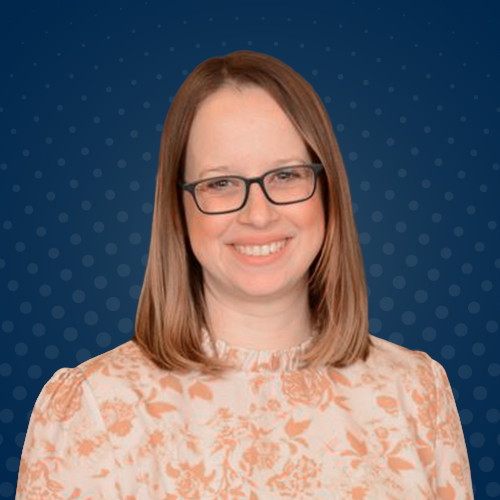
Sarah Vordenberg, PharmD, MPH
Recipient of the 2026 Teaching Excellence Award
Award
This Award Recognizes Exceptional Mentoring in the PhD Programs
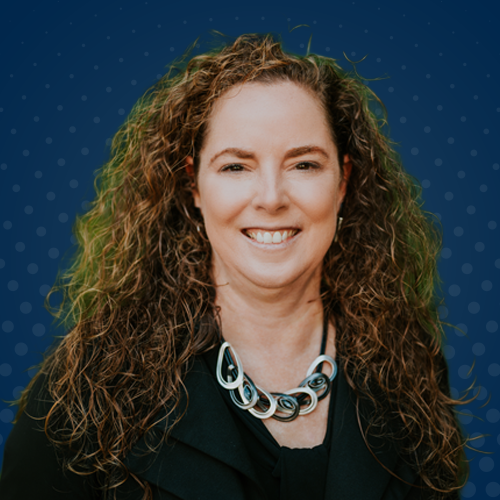
Emily Scott, PhD
Recipient of the 2026 Distinguished Mentor Award
Preceptor Awards
This Award Recognizes a Faculty Preceptor who has Served at Least Three Years
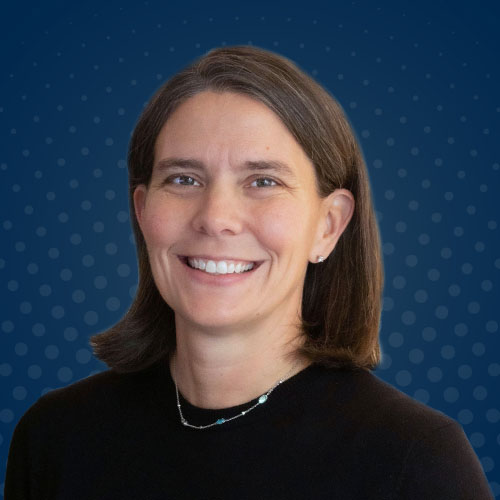
Amy Thompson, PharmD
Recipient of the 2026 Experiential Education Excellence Faculty Award
Maize Preceptor
of the Year
This Award Honors an Adjunct Clinical Faculty Preceptor who has Served at Least One Year
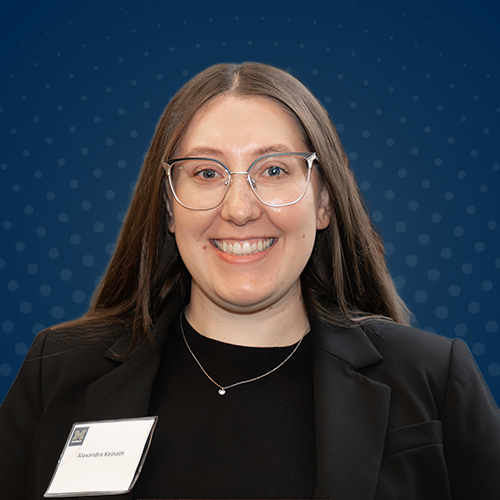
Alexandra Keinath, PharmD
Recipient of the 2026 Maize Preceptor of the Year Award
Blue Preceptor of
the Year
This Award Honors an Adjunct Clinical Faculty Preceptor who has Served at Least Five Years
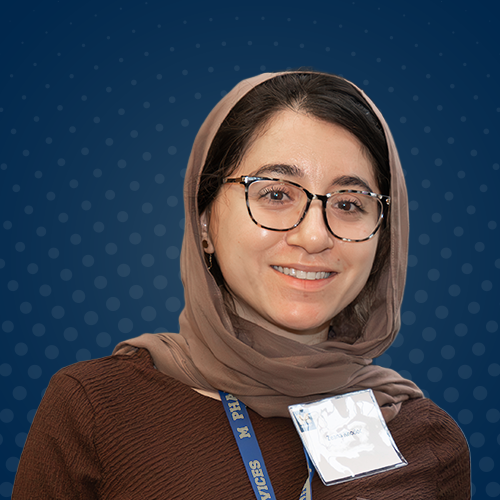
Zeana Khodor, PharmD
Recipient of the 2026 Blue Preceptor of the Year Award
Health & Engagement
This Award Honors a Preceptor who is Committed to Community Health
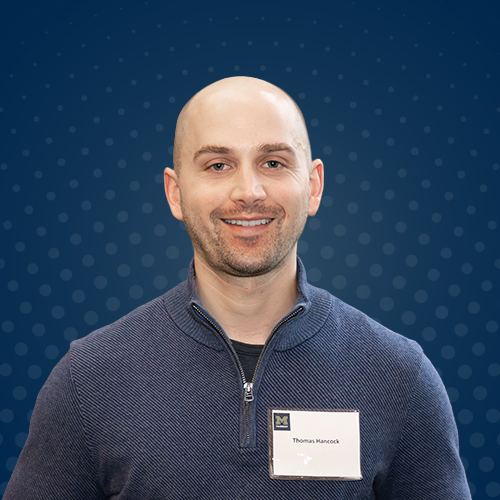
Thomas Hancock, PharmD
Recipient of the 2026 Community Health and Engagement Preceptor Award
Leading Today to Make the Impacts of Tomorrow
Our Nationally Ranked #3 College of Pharmacy Is Situated Within the Nationally Ranked University of Michigan and a Preeminent Healthcare Ecosystem
